

Tired of flimsy tools that break mid-recipe? Ready to ditch the noisy plastic mixers? A manual egg beater is a timeless kitchen companion, but not all are created equal. Choosing a high-quality one means the difference between a lifetime of effortless whisking and a drawer full of junk. Here is your essential guide to picking a beater that will last generations.
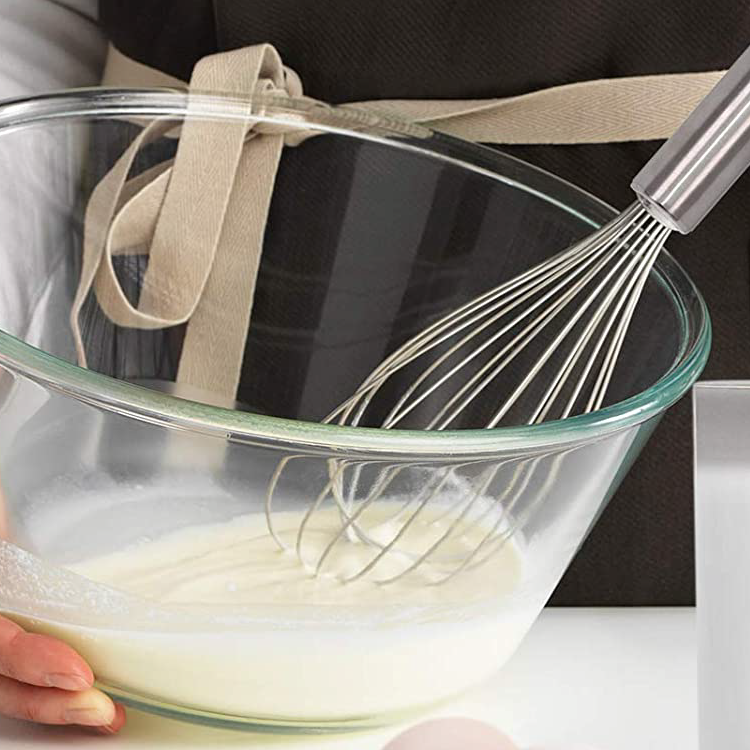
1. Look for All-Metal Gears (The Heart of the Beater)
The most important part of a manual egg beater is hidden inside: the gears. Never buy a beater with plastic gears. Plastic teeth strip and wear out within months, leaving you with a crank that spins uselessly.
A high-quality manual egg beater features fully enclosed stainless steel or heavy-duty metal gears. These mesh smoothly, providing that satisfying, silent "whir" as you crank. They are virtually indestructible and will last a lifetime. Always check the product description or packaging—if it doesn't explicitly say "metal gears," assume they are plastic and walk away.
2. Inspect the Beaters: Stainless Steel is Non-Negotiable
The beaters themselves must be made of rust-proof, food-grade stainless steel. Avoid chrome-plated steel, which can chip and rust over time.
Look closely at the wire configuration. High-quality beaters feature wires that are securely welded or firmly attached to the central shaft—they should not wobble. As discussed in our previous guide, consider whether you want:
-
12-Wire Balloon Beaters: Perfect for whipping air into egg whites and cream.
-
4-Wire Heavy-Duty Beaters: Ideal for mixing thicker batters and butter.
The best high-end models often include a set of both, allowing you to swap them based on your task. Ensure the beaters are perfectly aligned and don't scrape the bowl when rotated.
3. Test the Handle and Ergonomics
A high-quality beater feels balanced and comfortable in your hands. The main handle (the one you hold) should be made of a durable, smooth material like hardwood or high-grade ABS plastic. It should fit snugly in your palm without sharp edges.
The crank handle is equally important. It should turn smoothly with zero resistance or grinding. Look for a crank with a comfortable, rotating grip (often wooden) that allows your wrist to stay in a natural position as you turn. This prevents fatigue during long whisking sessions.
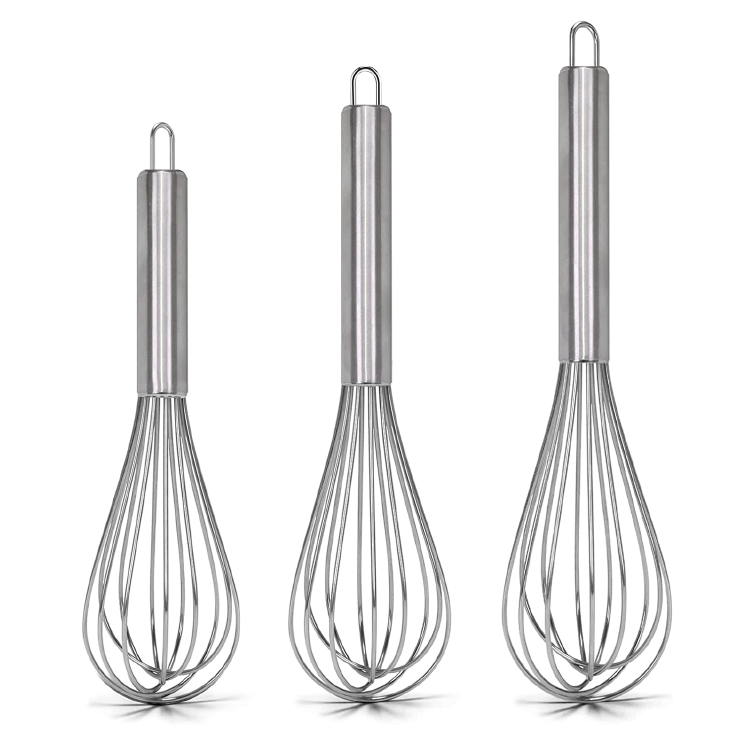
4. Check the Mechanism: Smooth is Key
Give that crank a spin! A quality manual egg beater features a smooth, efficient drive mechanism. When you turn the crank, the beaters should spin at a high speed with very little effort. There should be no catching, grinding, or squeaking.
The gear ratio matters too. A good beater is designed so one full turn of the crank rotates the beaters multiple times, giving you the speed you need without exhausting your arm.
5. Consider the Bowl Compatibility
High-end beaters often feature a unique "planetary" or offset action, where the beaters rotate on their own axis while also moving around the bowl. This ensures you reach every bit of the mixture without having to constantly move the tool yourself.
Also, look at the shape of the beater head. It should be slightly curved to match the contour of a standard mixing bowl, maximizing contact and efficiency.
6. Easy Cleaning and Disassembly
Even the best tools need cleaning. A quality manual egg beater should be easy to rinse. Some models feature a "one-button release" that pops the beaters out for thorough cleaning or for swapping between different beater types. This is a mark of thoughtful, user-centric design.
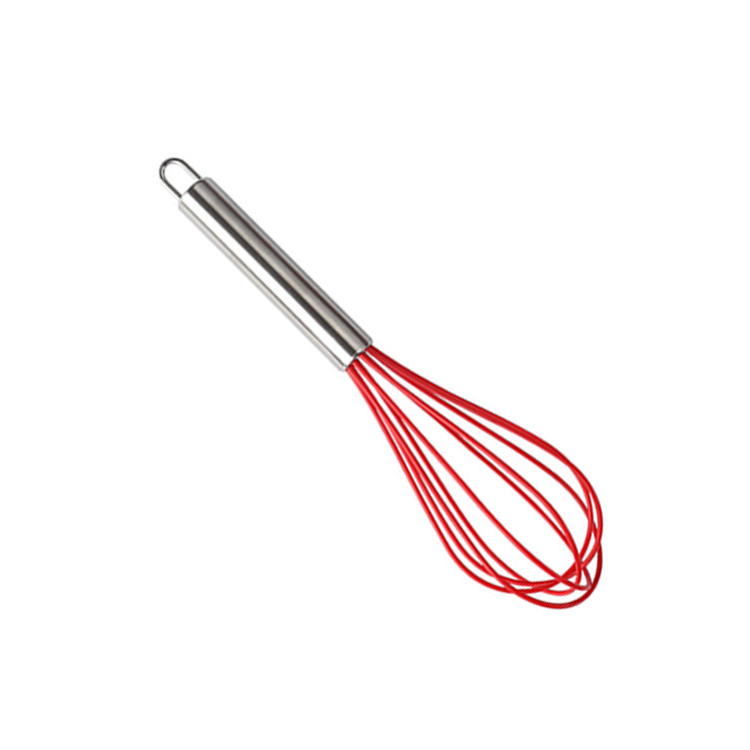
The Verdict: Invest in Quality, Buy Once
A cheap, poorly made egg beater is a frustrating tool that ends up in a landfill. A high-quality, all-metal manual egg beater is an heirloom. It is a pleasure to use, it performs better than any electric mixer for delicate tasks, and it will never let you down.
Ready to find the last egg beater you'll ever buy? Look for solid stainless steel beaters, robust metal gears, and a comfortable crank. Your future self—making perfect pancakes at 6 AM without waking the house—will thank you.