

Think achieving stiff, glossy peaks requires a noisy electric mixer? Think again! With the right technique and a high-quality manual whisk, you can beat egg whites faster than you ever imagined—and with far more control. Here is your guide to whipping like a pro, using nothing but muscle and mastery.
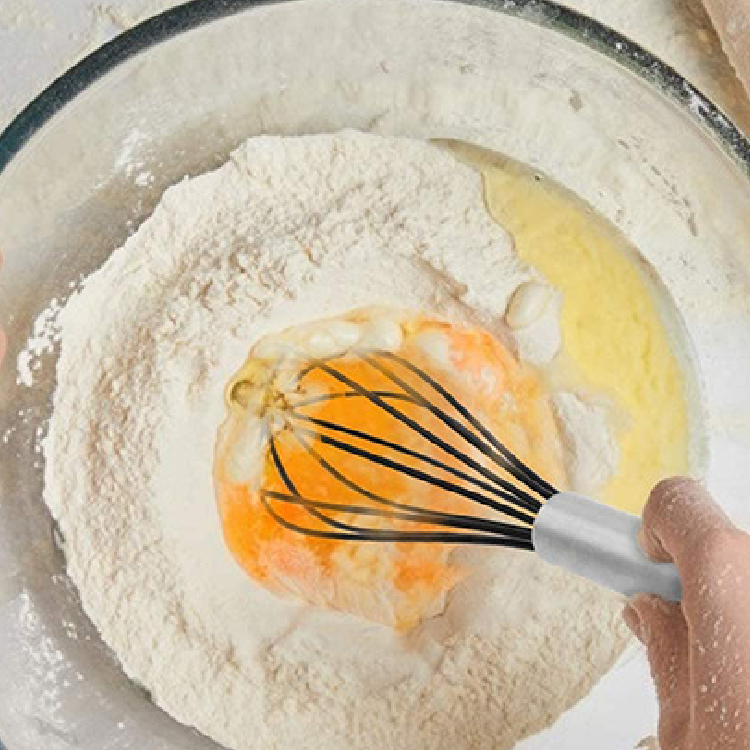
The Secret: It's All About Technique
Before you start, remember this: a manual whisk isn't slower; it's just different. You aren't fighting the egg whites; you are coaxing them into perfection. Follow these steps, and you'll have stiff peaks in minutes.
Step 1: Start with a Pristine Bowl
This is non-negotiable. Any trace of grease or yolk will sabotage your efforts. Use a spotless glass, ceramic, or stainless steel bowl. Avoid plastic bowls—they retain microscopic grease particles even after washing. For extra security, wipe the bowl and your whisk with a little lemon juice or vinegar to cut any lingering fat.
Step 2: Use a 12-Wire Balloon Whisk
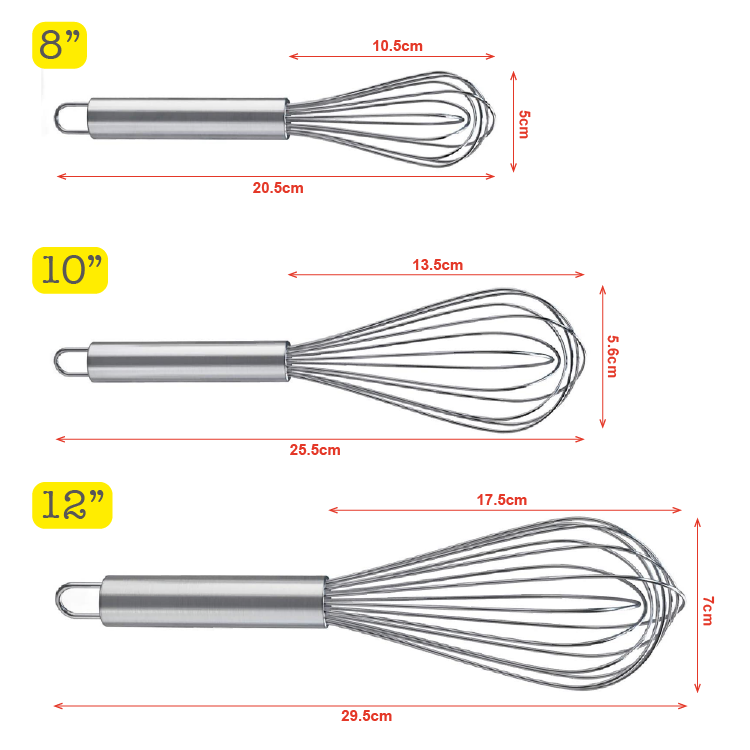
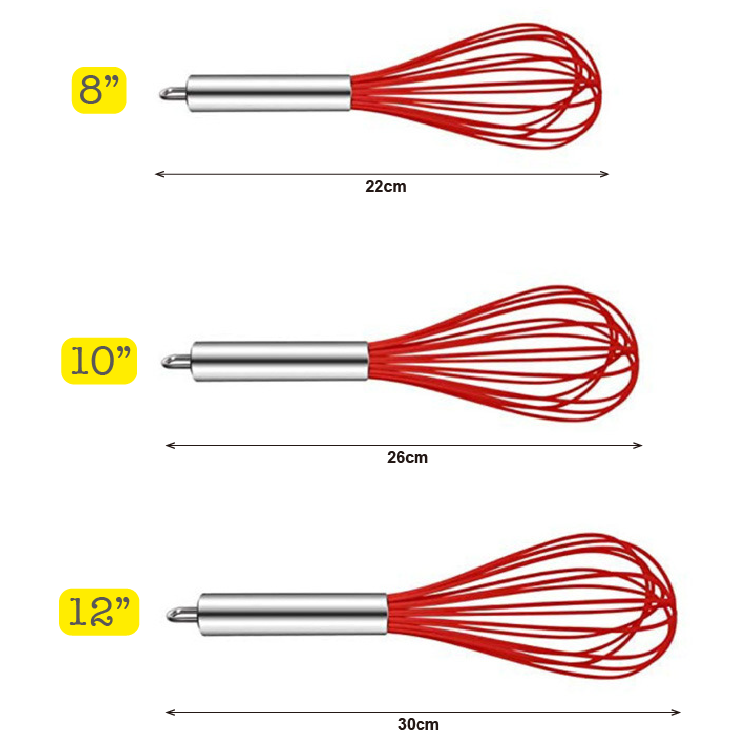
This is where your choice of tool matters. A 12-wire manual egg beater or balloon whisk is your secret weapon. Those thin, numerous wires slice through the egg whites, incorporating air more efficiently than thick wires ever could . The dense network creates millions of tiny bubbles, leading to a stable, voluminous foam that won't collapse .
Step 3: The Cold Start Myth
Contrary to popular belief, egg whites whip faster when they are at room temperature . Cold egg whites are tighter and take longer to break apart. Separate your eggs cold (it's easier), then let the whites sit on the counter for 20-30 minutes before whipping. They'll reach their full volume in half the time.
Step 4: The "Wrist-Snap" Technique
Forget giant, exhausting circles. The secret to speed is the "wrist-snap." Hold the whisk loosely and use quick, rhythmic back-and-forth or circular motions, letting the whisk do the work. You are creating a "figure eight" pattern that maximizes air incorporation. Keep your wrist loose and let the momentum build. You'll find a rhythm that is fast, efficient, and surprisingly not tiring.
Step 5: The Sugar Trick
If your recipe calls for sugar, do not dump it all in at once. Add it gradually, once the whites are foamy. Adding sugar too early can delay peak formation. Adding it slowly, however, actually stabilizes the foam and helps it reach stiff peaks faster. For plain whipped egg whites (like for meringue), a pinch of salt or a drop of lemon juice (cream of tartar works too) can help stabilize them and speed up the process.
Step 6: Know Your Peaks
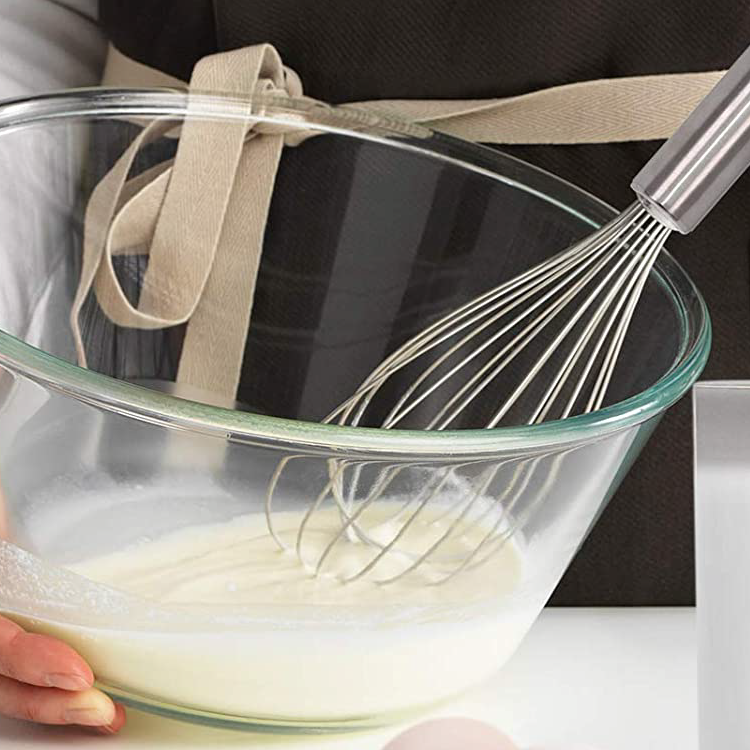
Stop frequently to check your progress. You are looking for:
-
Soft Peaks: The whites form a peak that flops over when you lift the whisk.
-
Stiff Peaks: The peak stands straight up, tall and proud.
The beauty of a manual whisk is that you can feel the texture change, preventing the dreaded over-whipping that turns your foam into dry, grainy clumps.
The Verdict: Feel the Power
Whipping egg whites by hand isn't a chore; it's a connection to your food. You'll feel the transformation from liquid to cloud, and the sense of accomplishment is unmatched. Plus, you get a tiny arm workout!
Ready to whip faster than ever? Grab a premium stainless steel 12-wire manual whisk today. With the right tool and this technique, you'll never reach for that noisy electric mixer again. It's just you, the whisk, and the satisfying journey to perfect peaks.
Whisk on, master baker!