

Have you ever picked up a manual egg beater and wondered why some have thick wires and others have many thin ones? That number of "lines" or wires isn't just for show—it is the secret code to achieving the perfect texture for whatever you are whipping. Choosing the wrong one could mean flat meringues or lumpy batters. Let's decode the differences so you can whip like a pro!
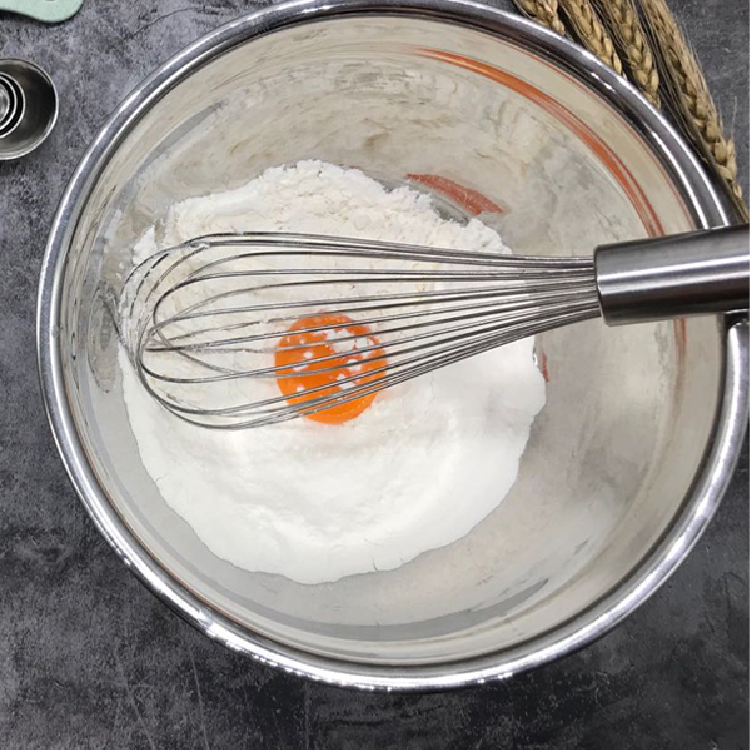
The Great Line Debate: 4-Wire vs. 12-Wire
Manual egg beaters generally come in two main configurations: the sturdy 4-wire (or 4-rod) design and the intricate 12-wire balloon-style head . They are engineered for completely different tasks, and knowing the difference is your first step to baking mastery.
| Feature | 12-Wire Beater (The Speed Demon) | 4-Wire Beater (The Powerhouse) |
|---|---|---|
| Best For | Egg whites, heavy cream, whole eggs, salad dressings | Butter, cream cheese, thick batters, mashed potatoes |
| Texture Result | Ultra-fine, smooth, and voluminous | Slightly coarser, good for mixing dense ingredients |
| Efficiency | High! More wires = more air incorporated quickly | Moderate; requires more elbow grease |
| Resistance | Lower resistance; glides through light liquids | Higher resistance; stands up to heavy mixtures |
| Cleanup | Easy; less residue clings to the thin wires | Can trap thick mixtures between the rods |
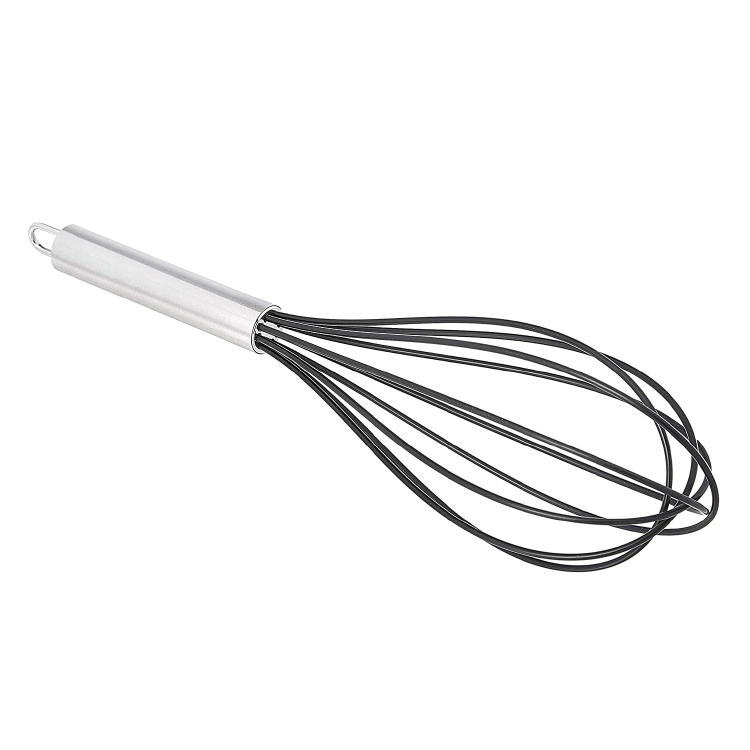
When to Choose 12-Wire: The Aeration Artist
If you are chasing stiff peaks for a soufflé or soft clouds for a mousse, the 12-wire beater is your best friend . With its dense network of thin wires, it slices through egg whites and cream, splitting large air bubbles into millions of tiny, stable ones . The result? Light-as-air textures that give your desserts that professional lift . It's also the go-to for quickly emulsifying vinaigrettes or whole eggs for a sponge cake . The 12-wire design maximizes surface area, meaning you achieve volume in minutes, not marathon minutes .
When to Choose 4-Wire: The Heavyweight Champion
Facing a block of cold butter? Need to cream sugar into solid shortening? The 4-wire beater is your muscle . Its robust construction is designed to power through thick, sticky, or cold ingredients without bending or breaking . While it won't whip air into your cream as efficiently, it excels at blending dense components together. It's perfect for cookie doughs, buttercream frostings where you want creaminess without excessive air, or even mashing soft vegetables . Think of it as the "workhorse" that tackles the jobs too tough for delicate wires .
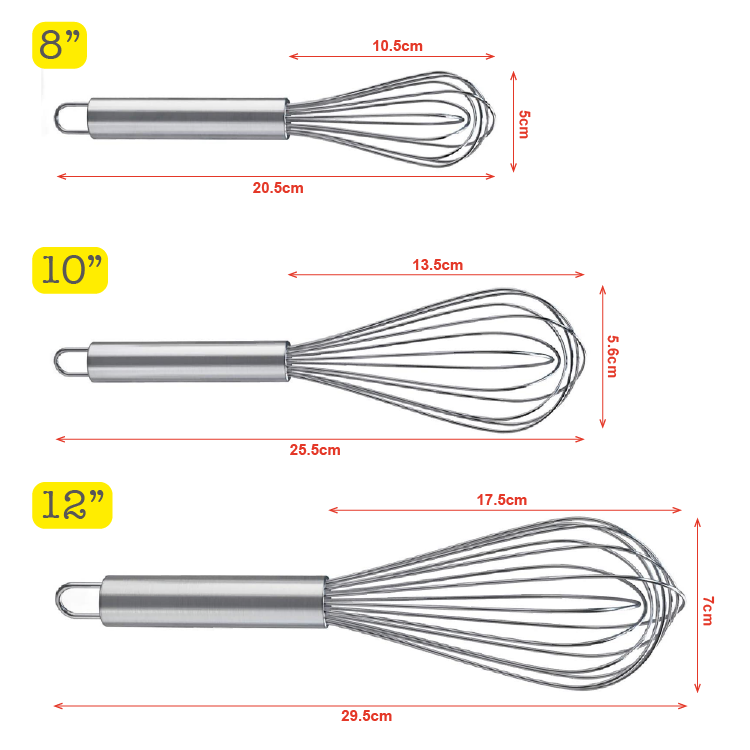
The Verdict: Why You Need Both
Here is the honest truth: a true baking enthusiast needs both. Trying to cream butter with a 12-wire beater can strain the tool, while whipping cream with a 4-wire beater will leave you with a tired arm and mediocre results .
Choose the 12-wire model if you primarily make light sponges, meringues, and soufflés . Choose the 4-wire model if you often tackle dense doughs and frostings .
But for the ultimate kitchen arsenal? Invest in a high-quality set featuring both. Feel the difference of a tool designed precisely for your task. Your recipes will taste better, your arms will thank you, and you'll finally understand why the line count matters!
Ready to whip with precision? Grab the perfect beater for your next creation today!