

When selecting a lunch box, the choice of material is paramount for ensuring food safety, durability, and user convenience. Among the various options, stainless steel 304 (also known as 18/8 or 18/10 stainless steel) has emerged as the global standard for food containers. Its popularity is not accidental but is rooted in a specific set of physical and chemical properties that make it ideally suited for direct and repeated contact with food.
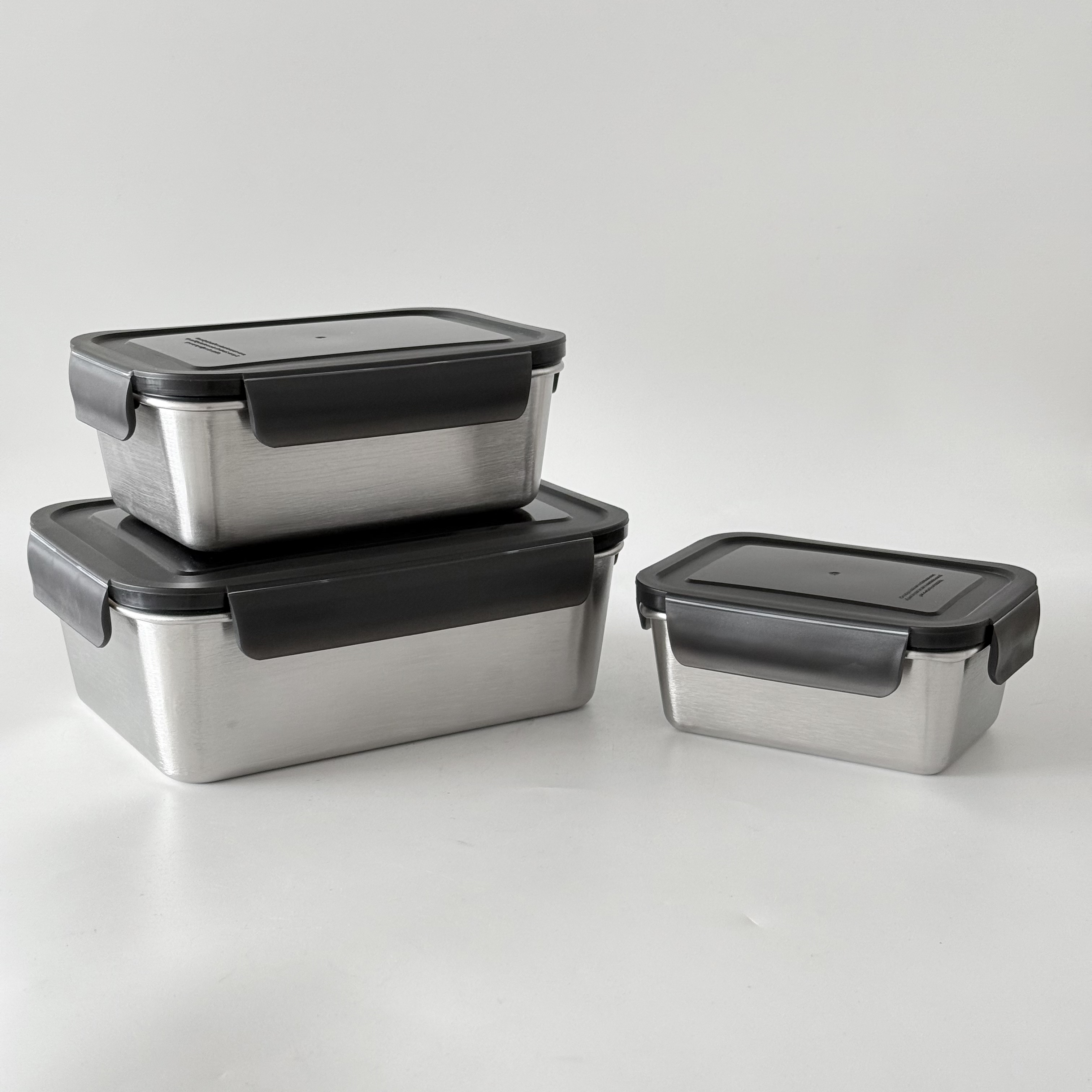
The primary reason for choosing 304 stainless steel is its status as a "food-grade" material. It is an austenitic alloy composed of approximately 18% chromium and 8-10% nickel . This specific composition is crucial for health. The chromium forms a passive layer of chromium oxide on the surface, which protects the steel from corrosion. This prevents the lunch box from rusting and, more importantly, ensures that harmful heavy metals like lead or mercury do not leach into the food . Scientific studies on food contact materials have confirmed that 304 stainless steel demonstrates a low migration of metals like iron into food simulants, particularly at typical usage temperatures below 50°C, confirming its safety for storing meals .
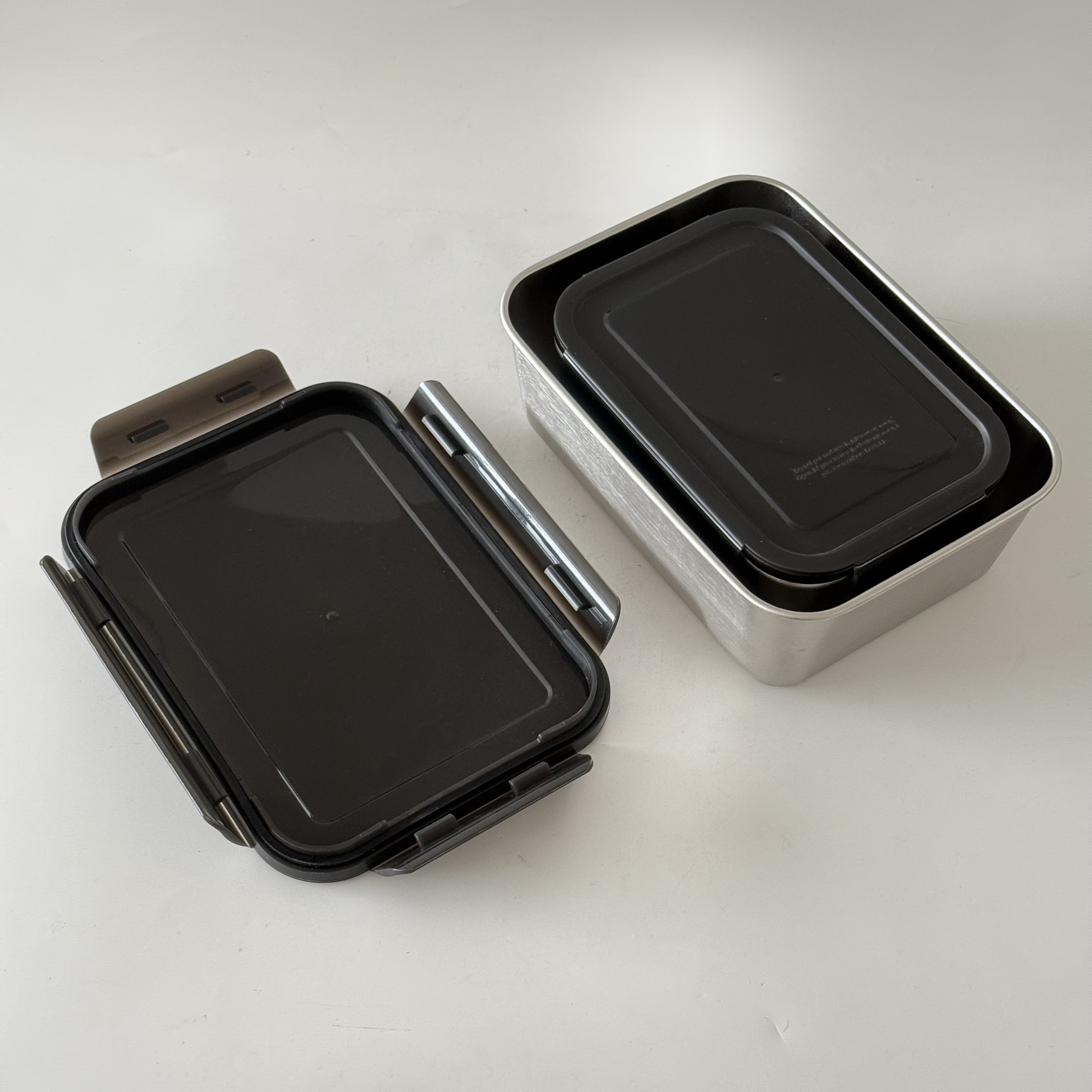
Beyond safety, the material's corrosion resistance makes it exceptionally durable and non-reactive. A lunch box encounters a variety of foods, from acidic fruits like tomatoes and citrus to salty dishes. 304 stainless steel is highly resistant to corrosion from these acids and alkalis, meaning it will not pit, stain, or impart a metallic taste to the food . This non-reactive nature ensures that the original flavor of the food is preserved, meal after meal.
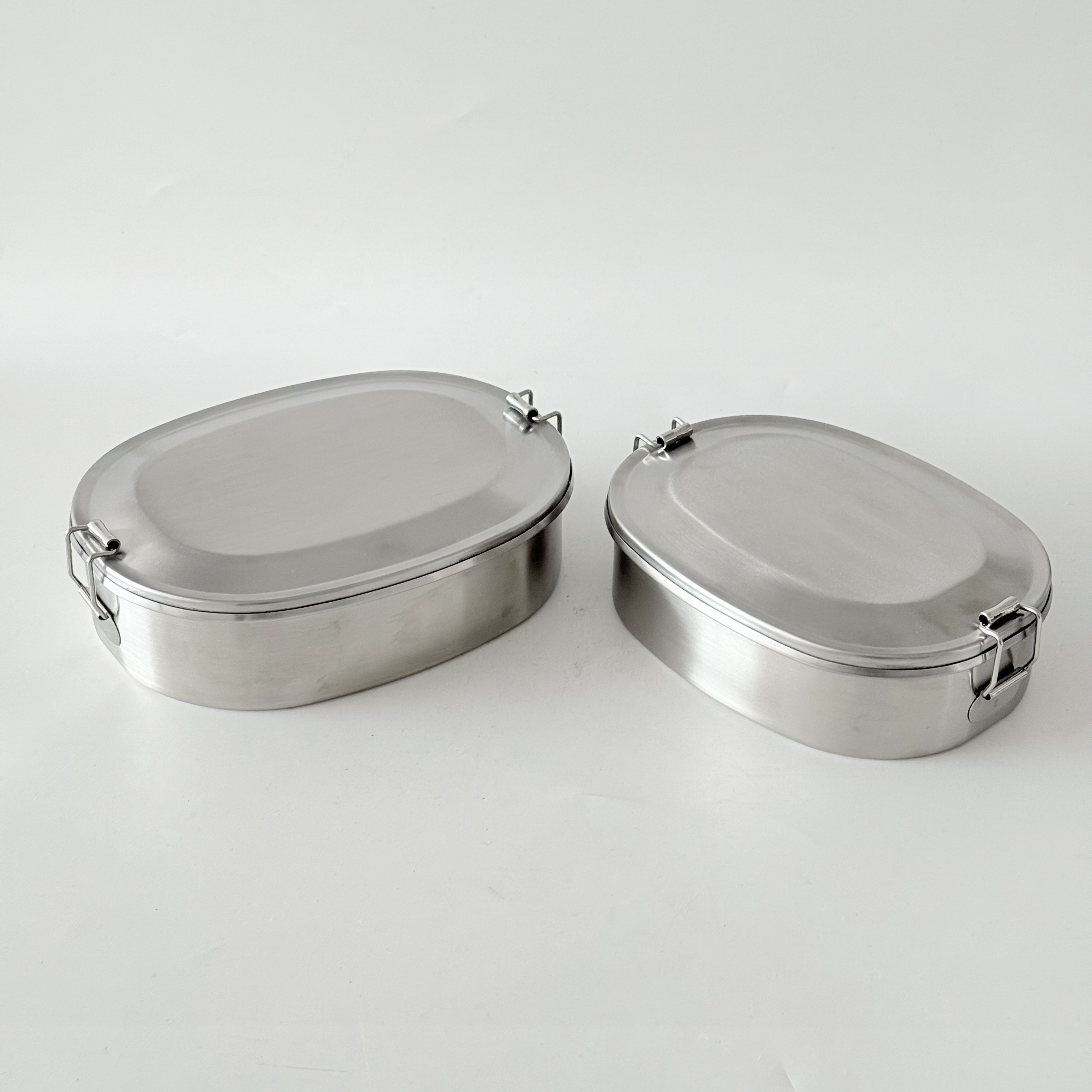
Furthermore, 304 stainless steel offers superior mechanical properties for a reusable container. It is exceptionally strong and resistant to warping or denting from daily use, impacts, or the pressure of being packed in a bag . It can withstand a wide range of temperatures, making it suitable for both hot meals and cold storage without degrading . From a hygiene and maintenance perspective, its smooth, non-porous surface is easy to clean, does not harbor bacteria, and—unlike plastic—never absorbs stains or lingering odors from pungent foods . Finally, it is an environmentally friendly choice, as it is 100% recyclable and serves as a durable, long-lasting alternative to single-use plastics .
In summary, 304 stainless steel is chosen for lunch boxes because it perfectly balances food safety, durability, and practicality, ensuring that meals are stored healthily and taste as they should.